
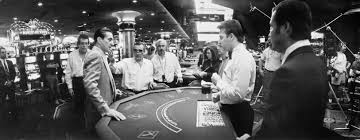
We’re pulling back the velvet rope to explore the high-stakes world of British gambling through the unflinching lens of documentary photography. Beyond the cliché of tuxedos and roulette wheels lies a complex social tapestry, a theatre of human nature played out under the glow of crystal chandeliers and neon signs. From the hallowed, hushed halls of Mayfair to the vibrant, industrial gaming floors of Manchester, this is a journey into the heart of a uniquely British subculture, captured frame by grainy frame on analogue film.
Why Document British Casino Culture?
Casinos are more than just venues for gaming; they are intense, controlled environments that act as microcosms of British society. A night at The Ritz Club Casino in London tells a vastly different story to an evening in a Grosvenor Casinos outlet in Leeds or Glasgow. These spaces crystallise themes of class, aspiration, economics, and leisure, offering documentary photographers a rich vein of visual narrative that extends far beyond the turn of a card. The challenge and the allure lie in capturing the subtle performances, the unguarded moments, and the architecture of chance that defines these places.
The Allure of Contrast: Opulence vs. Obsession
The most compelling frames often emerge from the stark contrasts inherent to the casino floor. The shimmering opulence of a private club’s décor against a player’s expression of intense concentration. The celebratory pop of champagne juxtaposed with the solitary focus of a slot machine patron. Documentary photography thrives on these visual tensions, using the language of available light and shadow to explore the spectrum between glamour and compulsion, community and isolation.
Beyond the Bets: Capturing Human Stories
The true subject is never the game itself, but the people around it. The croupier’s practised hands, the weary glance of a security guard, the animated conversation at a crowded blackjack table, the solitary figure nursing a drink at the bar—these are the human stories that build a genuine documentary narrative. The photographer’s role is that of a quiet observer, seeking to preserve the fleeting interactions and emotional textures that define the British casino experience.
The Mayfair Scene: A Study in Discreet Opulence
Mayfair’s casino culture exists in a rarefied atmosphere of discretion and old-world privilege. Members-only institutions like The Clermont Club on Berkeley Square—housed in a grand 18th-century mansion—and Aspinalls operate with a coded etiquette far removed from the high street. Here, documentary photography must adapt to an environment of restrained tension and understated glamour, where the highest stakes are often played out with a whisper, not a shout.
Access and Etiquette in Private Clubs
Gaining access is the first and most significant hurdle. Photography is strictly controlled, often requiring formal permissions and a trusted relationship. The work becomes about blending in, respecting the unspoken rules, and capturing scenes without disrupting the club’s delicate ecosystem. This often means working with minimal gear, using silent shutter techniques, and embracing the challenges of extremely low, ambient light to maintain authenticity.
The Aesthetic of Mayfair’s Gaming Floors
The visual language here is one of texture and subtlety. Think wood-panelled walls, plush carpets, soft pool-table lighting, and the gentle clink of fine glassware. Photographers focus on the details: the cut of a suit, the glint of a watch under a lamp, the focused gaze across a baccarat table. The resulting images feel timeless, often reminiscent of classic reportage, emphasising the weight of history and money that permeates these rooms.
The Contrast of the High-Street Casino
Step into a modern Grosvenor Casinos or Alea venue in a city centre, and the sensory experience shifts dramatically. The lighting is brighter, the colours are more saturated, and the soundtrack is a buzz of digital machines and chatter. This environment demands a faster, more reactive photographic style. The social dynamics are more varied and openly displayed, creating a different but equally compelling documentary tableau.
Lights, Action, Reaction: The Pace of Play
The rhythm is quicker, with electronic roulette terminals and banks of digital slots. This pace requires the photographer to be anticipatory, ready to capture reactions—the jubilation of a win, the resigned shrug of a loss. The use of subtle, unobtrusive flash (often bounced) can become necessary to freeze motion in the dynamic, often harshly lit interior, adding to a grittier, more contemporary aesthetic.
Social Hubs vs. Solitary Play
These venues often function as social hubs, with sports screens, busy bars, and poker tournaments fostering a sense of community. Contrasting this are the rows of individuals engaged in solitary play on machines. The documentary photographer moves between these narratives, capturing groups of friends on a night out as authentically as the lone figure in a crowd, highlighting the casino’s dual role as a communal leisure space and a venue for individual escape.
Manchester’s Industrial Gaming Heritage
Northern cities like Manchester offer a distinct chapter in the story. The city’s industrial heritage physically shapes its modern casino culture. A prime example is the Manchester235, housed within the converted Manchester Central railway goods warehouse. Here, documentary photography naturally gravitates towards the architectural fusion: the vast, rugged ironwork and brick vaults of the Victorian era now enclosing sleek, contemporary gaming floors.
This creates a powerful visual metaphor for the city’s transformation. The photographic focus expands to include the interplay between the raw, historical fabric of the building and the bright, manufactured environment of the casino within. It tells a story not just of gambling, but of urban regeneration and the repurposing of space, with the patrons forming a living element within this grand architectural dialogue.
The Photographer’s Toolkit: Analogue in Low Light
Capturing these environments authentically, without the intrusive glare of a digital setup, calls for a specific analogue approach. The goal is to be present yet unobtrusive, using gear and technique to seize candid moments. The toolkit for this work is both technical and philosophical.
- A reliable, quiet 35mm SLR or rangefinder body.
- Fast prime lenses (e.g., 35mm f/1.4, 50mm f/1.2) to maximise available light.
- A small, powerful flash capable of subtle bounce techniques.
- Plenty of high-speed black and white film.
Film Choice and Pushing Boundaries
Film stock is a critical creative decision. While Ilford HP5 Plus film rated at 800 ISO is a versatile workhorse, the extreme low light of casinos often requires pushing boundaries. High-speed emulsions like Ilford Delta 3200 become essential, allowing photographers to shoot in near-darkness. Pushing film—shooting at a higher ISO than box speed and compensating in development—introduces a distinctive grain and contrast that perfectly complements the gritty, atmospheric reality of these spaces.
The Ethics of the Candid Shot
This genre hinges on candid photography, which brings an ethical responsibility. The approach is always one of respect and observation, not intrusion or exploitation. Photographers must navigate the space without altering the behaviour they seek to document, avoid photographing individuals in clearly vulnerable states, and be prepared to engage and explain their project if challenged. It’s a delicate balance between bearing witness and respecting privacy.
Ultimately, documentary photography within UK casinos is not an endorsement or a critique of gambling. It is an exercise in visual anthropology, seeking to preserve a nuanced and compelling slice of contemporary British life. It’s about the light falling across a green baize table, the architecture of hope and chance, and the human stories that unfold daily, from the discreet salons of Mayfair to the vibrant halls of Manchester.