
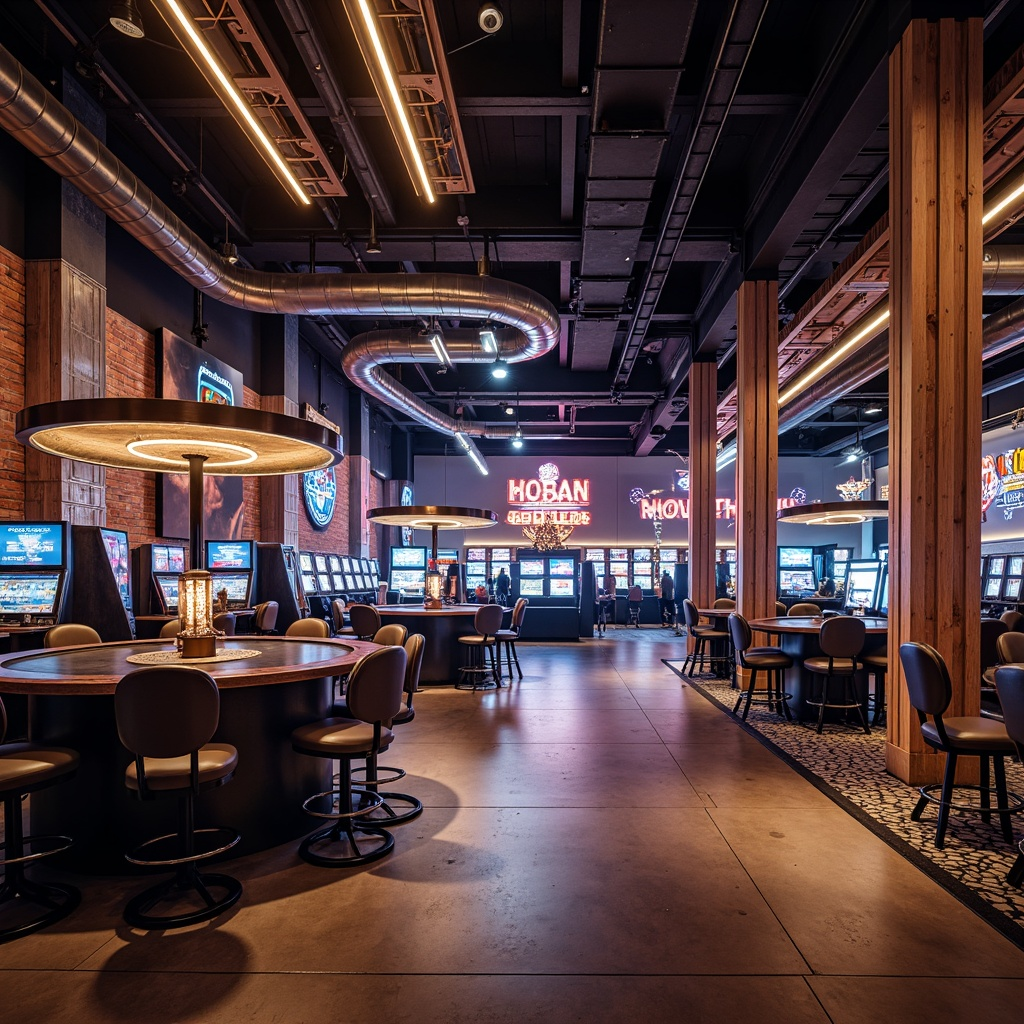
The muted glow of a gaming table, the intricate architecture, and the candid moments of British gambling culture present a unique and challenging canvas for the analogue photographer. Capturing the essence of venues, from the hushed exclusivity of Mayfair’s private clubs to the electric buzz of Leicester Square, requires a specific technical and ethical approach. This guide, born from our own documentary work in London’s casinos and refined in our Peckham darkroom, will walk you through the process of creating compelling, atmospheric photo essays on analogue film.
Understanding the Casino Environment: Light, Movement & Ethics
Before loading your first roll, you must comprehend the battlefield. The UK casino scene, particularly in the exclusive enclaves of Mayfair, is defined by three immutable factors: punishingly low light, perpetual subtle movement, and stringent rules. Navigating these successfully is the foundation of any project.
The Character of Casino Light: Chandeliers vs. Table Lamps
Casino lighting is a study in dramatic contrast, designed for atmosphere, not photography. Grand chandeliers in venues like The Ritz Club London cast a sparkling, but often uneven, ambient light, while focused table lamps create intense pools of illumination on the green baize, leaving faces and backgrounds in deep shadow. This mix of tungsten and sometimes LED sources creates a complex colour temperature soup. Your film must handle this high-contrast dance between brilliant highlights and inky blacks.
Navigating Permission and Etiquette in Exclusive Venues
This is non-negotiable. In a private members’ club like Mayfair’s Clermont Club, unsanctioned photography is unthinkable. Always secure written permission from management well in advance. Be explicit about your project’s scope. Once inside, respect house rules absolutely: no flash, never photograph patrons’ faces directly without their consent, and maintain a discreet, unobtrusive presence. Your professionalism ensures access for yourself and other documentarians in the future.
Choosing Your Analogue Arsenal: Film, Lenses & Camera
Your equipment choices must be tailored to conquer low-light conditions while remaining agile for candid moments. This is where the technical craft of analogue photography truly comes to the fore.
High-Speed & Pushed Film Stocks for the UK Scene
Film speed is your primary weapon. For colour work, Kodak Portra 800 is the undisputed champion, offering fine grain, beautiful skin tones, and a forgiving latitude that retains shadow detail. For black and white, the gritty, high-contrast aesthetic of Ilford Delta 3200 is perfectly suited to the dramatic casino environment. Be prepared to “push” your film—shooting it at a higher ISO than box speed (e.g., exposing Delta 3200 at 6400) and compensating in development to gain extra shutter speed.
The Advantage of Fast, Fixed Focal Lengths
A fast prime lens is essential for gathering the maximum available light. A 35mm f/1.4 or a 50mm f/1.2 lens allows for handheld shooting in most casino interiors. Their wide apertures create a shallow depth of field, isolating subjects from the busy background—perfect for focusing on a stack of chips or a player’s contemplative expression. A reliable, quiet-shooting camera body completes a kit that is both powerful and discreet.
Mastering Exposure Without a Flash: Metering & Pushing
With flash prohibited, your ability to read light and expose accurately is paramount. The high-contrast scenes will fool your camera’s internal meter, leading to lost details in your shadows or blown-out highlights.
Incident vs. Reflective Metering in Dramatic Light
For the most accurate exposure of your subject’s face or hands under the table lamp, use a handheld incident meter. If you’re relying on your camera’s reflective meter, remember the adage: “expose for the shadows, develop for the highlights.” This means deliberately overexposing the shadow areas to retain detail, trusting that your film’s latitude will handle the bright highlights. Spot-metering off a mid-tone, like a dealer’s waistcoat or the neutral felt of the table, is a reliable alternative.
The Art of the Intentional Push in Development
Pushing film is a critical decision made before you even press the shutter. When you need an extra stop or two of shutter speed to freeze motion, you decide to rate your 800 ISO film at 1600. This must be communicated to your lab, or managed in your own darkroom, with extended development time. Pushing increases contrast and grain, which can aesthetically enhance the gritty reality of a late-night session at The Hippodrome Casino Leicester Square.
Composition & Storytelling in Candid Moments
Technical prowess serves the ultimate goal: storytelling. Documenting British gambling culture is about more than the games; it’s about the atmosphere, the architecture, the unguarded human moments.
Framing Details: The Stack of Chips, The Dealers’ Hands
The story is often in the details. Tightly framed shots can convey immense narrative:
- The precise, practised motion of a dealer’s hand flicking a card.
- A towering, precarious stack of coloured chips.
- The worn corner of a classic leather betting pad.
- The anxious tap of a finger beside a roulette wheel.
These intimate frames build a visual vocabulary of the scene.
Environmental Portraits That Tell a Broader Story
Wider shots establish context and atmosphere. Use ambient light to frame a lone player at a vast table, or capture the grand scale of a room’s architecture. Seek compositions that show the relationship between people and their environment, much like the documentary work once done in legendary, now-closed spots like The Victoria Sporting Club. These environmental portraits speak to the culture, class, and character of each unique establishment.
From Shoot to Darkroom: Processing Low-Light Negatives
The work doesn’t end when the final frame is shot. Your in-camera decisions directly inform the development and printing process. For pushed film, consistent, controlled development is key. In our Peckham darkroom, processing high-speed or pushed negatives requires careful attention to temperature and agitation to manage the inherent increase in contrast and grain. When printing, we often employ techniques like split-grade filtering to balance the harsh contrast, burning in highlights and dodging shadows to reveal the full detail captured in the negative, ensuring the final print matches the atmosphere witnessed on the shoot.
Mastering these techniques—from securing access and choosing your film stock to nailing exposure and refining the print—allows you to move beyond snapshots. It empowers you to create a nuanced, compelling, and atmospheric visual document of a unique and visually rich facet of British culture, all through the distinctive, textured medium of analogue photography.