
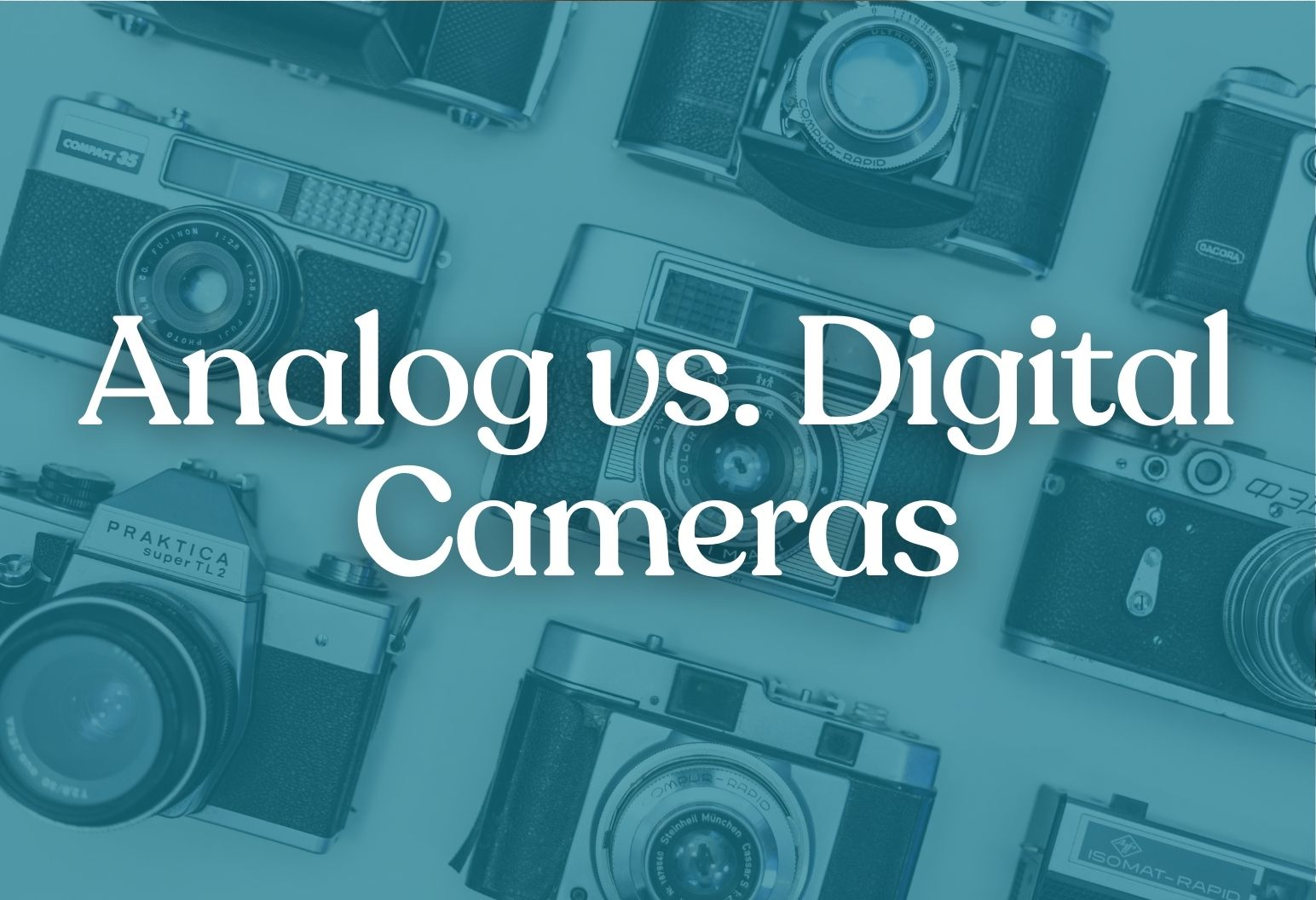
In the hushed, carpeted enclaves of Mayfair’s private members’ clubs and under the electric buzz of London’s sprawling casino floors, every detail tells a story of risk, reward, and ritual. For the photographer tasked with documenting British gambling culture, the choice between loading a roll of film or a digital memory card is far more than a technical decision. It is a fundamental choice about narrative voice, texture, and truth. This debate sits at the heart of our practice at The Bright Rooms darkroom in Peckham, where the analogue process is revered, yet the realities of modern commissioned work are understood. So, when capturing the fleeting glance across a baccarat table or the tired slump of a dawn gambler, which medium serves the story best?
The Unfiltered Grit: Analogue’s Documentary Soul
Analogue photography carries a documentary soul in its very chemistry. There is an inherent authenticity to film, a rawness that aligns perfectly with the unvarnished human drama found in British gambling halls. The process—from the finite exposures on a roll to the physical development in a darkroom—demands a slower, more contemplative approach. This ethos, championed by our community at The Bright Rooms, mirrors the patience of a documentarian observing the nuanced rituals of play, where the click of the shutter becomes a deliberate, irrevocable statement rather than a speculative spray of shots.
The Weight of Grain and Texture
Film grain is not noise; it is texture and atmosphere. A high-speed black and white film like Ilford HP5 Plus, pushed to its limits in a dimly lit corner of a club, renders images with a palpable, gritty texture. This grain becomes a metaphor for the environment itself—the smoke-hazed air of a bygone era, the worn velvet of a gaming chair, the intricate weave of a card sharp’s jacket. It adds a layer of emotional weight and timelessness that smooth, digital files often sanitise.
Commitment to the Frame: No Deleting Reality
With no rear screen for instant review, the film photographer must commit. This technical limitation fosters a profound discipline: watching, anticipating, and understanding the rhythm of the scene before raising the camera. You cannot shoot a hundred frames and hope to catch a moment; you must *know* the moment is coming. This commitment to the frame forces a deeper engagement with the subject, resulting in photographs that feel earned and permanent, not selected from a barrage of possibilities.
Digital’s Clinical Eye: Precision in the Modern Casino
Conversely, digital photography is the tool of surgical precision and immediate turnover. In the fast-paced, commercially sensitive environments of modern casinos like The Hippodrome Casino in Leicester Square or the opulent tables of The Ritz Club, digital’s advantages are undeniable. Editorial teams and corporate clients demand high-volume output, the ability to work in challenging light without a tripod, and files ready for near-instantaneous publication across digital platforms.
Low-Light Mastery and Discretion
The high ISO performance of modern full-frame digital sensors is nothing short of revolutionary. Where film might require a noisy push to 1600 or 3200, a digital camera can capture a sharp, clean image at ISO 12800, freezing the roll of dice in a low-lit craps game. Coupled with virtually silent electronic shutters in mirrorless bodies, photographers can become ghosts, capturing candid expressions at a tense poker table without the audible click that announces their presence and alters the scene.
The Workflow Advantage: From Shoot to Publish
The digital workflow is a powerhouse of efficiency. Consider the steps for a contemporary casino magazine spread:
- Shoot hundreds of frames across a night with immediate feedback on exposure and focus.
- Wirelessly transfer selects to a laptop for editing while still on location.
- Colour grade and retouch images to meet specific brand guidelines for the venue.
- Deliver final JPEGs to an editor before the photographer has even left the building.
This speed is not just convenient; it’s often a contractual requirement in today’s media landscape.
Atmospherics Compared: Capturing London’s Casino Light
London’s gambling venues present a uniquely challenging palette of light, and each medium interprets it differently. The visual character of a Mayfair club—all warm tungsten glow pooling on green baize and deep mahogany—is a world away from the cascading LED waterfalls and neon glare of a Leicester Square arcade.
Film’s Embrace of Murky Ambiance
Film doesn’t fight murky ambiance; it embraces it. Colour negative film has a legendary tolerance for overexposure, allowing highlights from a crystal chandelier at The Ritz Club to glow without burning out, while retaining shadow detail in the surrounding booths. The inherent colour casts of tungsten or mixed lighting often become a feature, adding to the emotional warmth and period feel of the image, wrapping the subject in the authentic light of the place.
Digital’s Clarity in Complex Scenes
Digital sensors, with their advanced multi-zone metering and powerful in-camera processing, excel at taming complex scenes. They can balance the intense neon signage against the darker interior of a modern gaming floor, preserving detail in both. The ability to shoot in RAW and make non-destructive white balance adjustments in post-production means the photographer has ultimate control to represent the scene with clinical accuracy or to craft a specific, consistent look across a series of images from different lighting conditions.
The Photographer’s Presence: Invisible or Participant?
The camera itself alters the dynamic between photographer and subject. The heft and audible, mechanical shutter of a Leica M6 or a medium-format Hasselblad announce their presence. This can be a barrier, creating a sense of intrusion, or a bridge, inviting curiosity and interaction that becomes part of the story. The photographer is a acknowledged participant. A discreet digital mirrorless camera, however, allows for a more fly-on-the-wall, observational style. This invisibility can lead to more candid, unguarded moments, but risks creating a sense of emotional distance, of surveillance rather than storytelling.
Archiving the Story: Permanence Versus Pixels
Beyond the moment of capture lies the longevity of the story. What happens to these visual records of British gambling culture in fifty years? A silver gelatin print, meticulously crafted in a tray of developer at The Bright Rooms darkroom, is a physical object. It is an archival artefact with a proven stability of centuries if stored correctly. The negative from which it came is a master, immune to file corruption or software obsolescence. Digital files, for all their convenience, exist as fragile, magnetic code on drives or in the cloud, vulnerable to degradation, format changes, and sheer neglect. The narrative of a culture, especially one as historically rich as Britain’s relationship with gambling, demands a consideration of permanence.
In conclusion, the debate is not about absolute superiority, but narrative intent. Digital offers unparalleled practicality, speed, and clarity, making it the undisputed champion for commercial and editorial needs in venues like The Hippodrome. Yet, for telling the layered, human, and often gritty stories at the heart of British gambling culture—the kind explored in Mayfair photo essays and documentary projects—the tactile, deliberate, and materially permanent nature of analogue photography possesses a unique and enduring power. It is a medium that doesn’t just record light, but seems to absorb the very atmosphere of the rooms in which it is taken, developing stories in more than just chemistry.